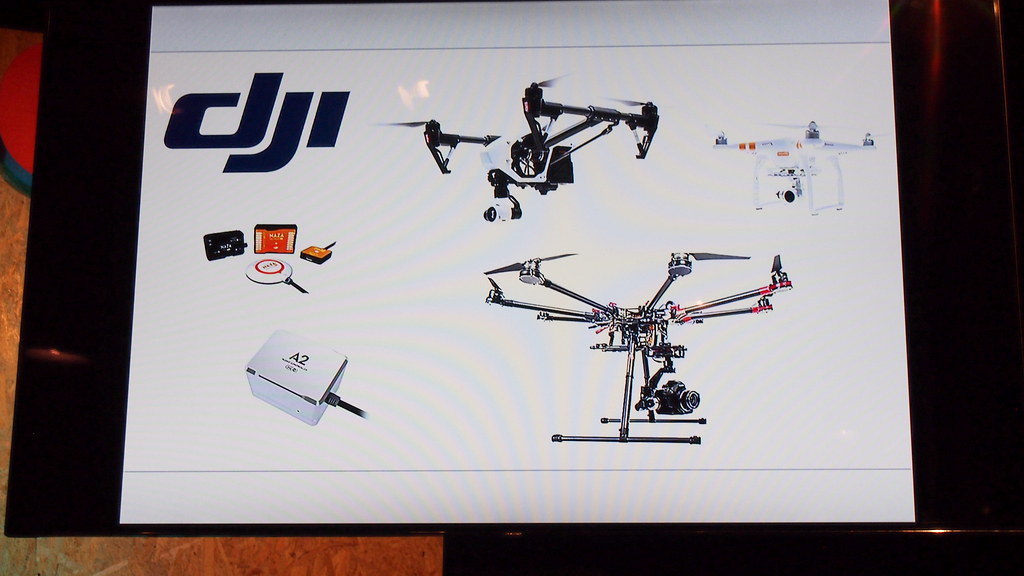
I’ll be honest—when I first heard the rumors about a potential DJI ban months ago, I didn’t think it would actually happen. Like many in the drone community, I hoped cooler heads would prevail. But here we are, past the December 23rd deadline, and the landscape for drone pilots in America has fundamentally changed.
What Actually Happened on December 23rd
The date itself wasn’t arbitrary. It marked the end of a one-year window mandated by the 2025 National Defense Authorization Act, which required a federal security audit of DJI to be completed. If no agency finished that audit by the deadline, the FCC would automatically add DJI to its “Covered List”—effectively blocking new authorizations for DJI equipment.
No audit was completed. And in what can only be described as a broader move than anyone anticipated, the FCC didn’t just add DJI to the list. They expanded the ban to include all new foreign-made drones and certain drone components. It’s a sweeping change that caught even seasoned industry watchers off guard.
But let’s be clear about what this actually means for pilots on the ground.
Your Current DJI Drone Isn’t Illegal
First, the good news: if you already own a DJI drone, it’s not suddenly illegal to fly. The ban doesn’t retroactively affect existing equipment. Your Mavic, your Mini, your Air—they’re all still legal to operate. The FCC authorization those drones received when they were approved for sale remains valid.
You can still fly them for recreation, for your business, for public safety work. Nothing changes there.
What you can’t do anymore is buy new DJI drones that haven’t already received FCC approval. And this is where things get complicated.
The Supply Chain Reality
Retailers can continue selling DJI drones that were already approved and in the country before the ban took effect. So if you’ve been eyeing a particular model, there’s still inventory available—for now. But once that inventory runs out, that’s it. No new shipments of unapproved models can enter the U.S. market.
I’ve spoken with several drone shop owners over the past week, and they’re all telling me the same thing: stock is moving fast. The Mini 4 Pro? Backordered at most major retailers. The Air 3S? Selling out within hours of restocking. People are panic-buying, which is understandable but also driving up prices on the secondary market.
One shop owner in Colorado told me he’s seeing customers buy multiple units as “backups,” treating drones like they’re non-perishable goods to be stockpiled. It’s creating an artificial shortage that’s making things harder for professionals who actually need these tools for their work.
What About Software Updates and Support?
This is the question I’m getting most often from pilots, and honestly, it’s where things get murky. The ban specifically targets FCC authorizations for radios and transmitters—the equipment that communicates over regulated frequencies. It doesn’t explicitly ban software updates or app downloads.
DJI has stated they’ll continue supporting existing customers, which presumably includes software updates and app availability. But there’s uncertainty about long-term cloud services, firmware updates, and whether future regulatory changes might expand the scope of the ban.
I’m not trying to fearmonger here, but it’s worth thinking about contingency plans. What happens if DJI decides supporting the U.S. market isn’t worth the hassle? Or if future legislation makes it difficult for them to maintain servers or process data from American users?
These are questions without clear answers right now, and that uncertainty is almost worse than a definitive bad outcome.
The Professional Drone Pilot Dilemma
For hobbyists, this is frustrating. For professionals, it’s potentially devastating.
I spoke with Sarah Chen, who runs a drone-based inspection company in Texas. Her entire fleet is DJI—not because she’s particularly loyal to the brand, but because nothing else on the market offers the same combination of reliability, flight time, and camera quality at comparable price points.
“I’ve got contracts extending into 2027,” she told me. “These inspections require specific equipment capabilities. I can’t just switch to an alternative that doesn’t meet the technical requirements my clients need. And buying enough backup drones to ensure I can fulfill my obligations? That’s tens of thousands of dollars I wasn’t planning to spend.”
She’s not alone. Public safety departments, agricultural operations, infrastructure inspectors, real estate photographers—all of them are scrambling to figure out succession planning for equipment they expected to be able to replace straightforwardly.
The Alternative Drone Market
The obvious question: what about alternatives to DJI?
There are other manufacturers—Skydio, Autel, and Parrot being the most prominent. But here’s the challenge: none of them offer the breadth of product line or the same price-to-performance ratio that made DJI dominant in the first place.
Skydio makes excellent drones with superior obstacle avoidance, but they’re positioned primarily for enterprise and government use, with pricing that reflects that market. Autel offers solid alternatives, but they’re also foreign-made (based in China) and could theoretically face similar scrutiny. Parrot has mostly exited the consumer market.
American manufacturers are scrambling to fill the gap, but developing competitive drone technology doesn’t happen overnight. It took DJI years to refine their technology to its current level. Expecting U.S. companies to match that capability immediately is unrealistic.
In the short term, this creates a challenging situation where professional pilots might have limited options, potentially at higher price points, with less proven reliability.
The Geopolitical Context
I try to avoid getting too political in my tech coverage, but it’s impossible to discuss this ban without acknowledging the broader U.S.-China tech tensions. Concerns about data security and potential surveillance are legitimate, even if the way this ban was implemented feels blunt and rushed.
The counterargument from the drone community has been consistent: why not require data to be stored domestically? Why not mandate security audits and compliance standards that any manufacturer could meet? Why a blanket ban on equipment that hasn’t been proven to pose active security risks?
These are fair questions that, frankly, haven’t been adequately answered by policymakers.
Looking Forward
So where does this leave us? In an uncomfortable period of transition, honestly.
If you’re a drone pilot, my advice is this: Don’t panic, but do plan ahead. If you’re flying DJI equipment professionally, consider having backup units if your budget allows. Look into insurance that covers equipment replacement. Start familiarizing yourself with alternative platforms, even if you’re not ready to switch yet.
For the industry as a whole, this creates both challenges and opportunities. American drone manufacturers finally have a real chance to compete without going head-to-head against DJI’s ecosystem and pricing. But they need to move quickly to build products that actually meet the market’s needs, not just cash in on a competitor’s absence.
And for policymakers—though I’m not holding my breath here—I hope this creates momentum for a more nuanced approach to tech regulation. Blanket bans feel satisfying politically but often create more problems than they solve.
The December 23rd deadline has come and gone. The ban is real, and it’s already reshaping the American drone market. Whether that’s ultimately good or bad for the industry probably depends on your perspective and your position in it.
What I know for certain is that tens of thousands of professional pilots and millions of hobbyists are now navigating a landscape that changed overnight, trying to figure out their next move in an industry that just got a lot more complicated.