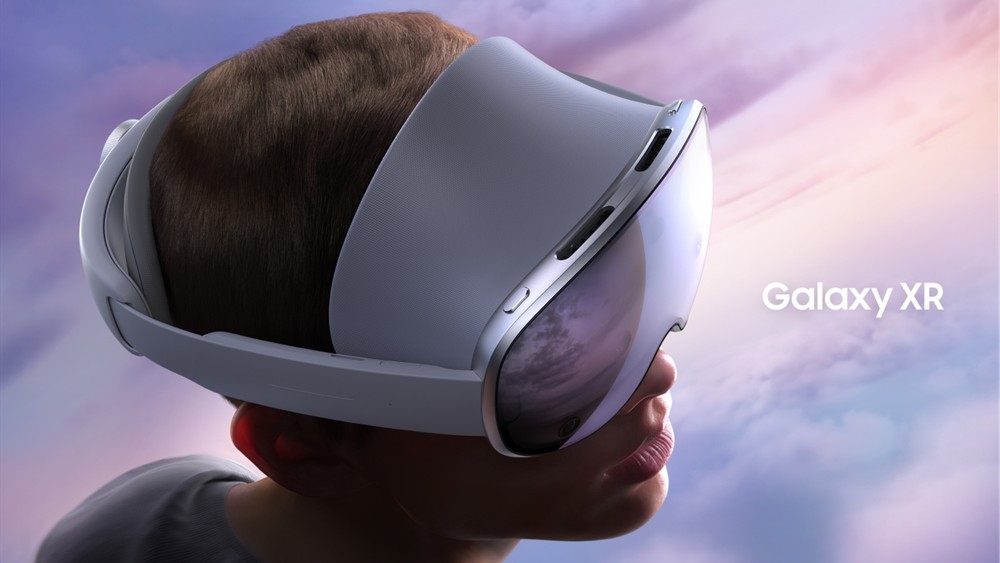
Samsung has entered the extended reality arena with their innovative XR glasses, positioning themselves as a major player in the rapidly evolving landscape of mixed reality technology. As tech giants compete to define the future of spatial computing, Samsung’s XR glasses bring together cutting-edge display technology, powerful processing capabilities, and seamless integration with the broader Samsung ecosystem.
Revolutionary Display Technology
At the heart of Samsung’s XR glasses lies their industry-leading display technology. Leveraging decades of experience in screen manufacturing, Samsung has implemented micro-OLED displays that deliver exceptional clarity and color accuracy. The glasses feature a high pixel density that eliminates the screen-door effect commonly found in earlier VR and AR devices, providing users with crisp, natural-looking virtual content.
The XR glasses support both augmented reality and virtual reality modes, allowing users to seamlessly transition between seeing the real world with digital overlays and fully immersive virtual environments. This versatility makes the device suitable for a wide range of applications, from productivity tasks to entertainment experiences.
Design and Ergonomics
Samsung has prioritized comfort and style in the XR glasses design. The device features a sleek, modern aesthetic that balances functionality with everyday wearability. At approximately 100 grams, the glasses are lightweight enough for extended use sessions without causing fatigue.
The modular design includes interchangeable components, allowing users to customize the fit for different head sizes and face shapes. Soft, breathable materials make contact with the skin, and the weight distribution has been carefully engineered to prevent pressure points during prolonged wear.
Advanced Tracking and Input Methods
The Samsung XR glasses incorporate sophisticated tracking systems that monitor head movements, hand gestures, and eye position with remarkable accuracy. Multiple cameras and sensors work in concert to create a detailed understanding of the user’s environment and intentions.
Key input features include:
- Precise hand tracking for gesture-based control
- Eye tracking for foveated rendering and intuitive interface navigation
- Voice commands powered by Samsung’s Bixby AI
- Compatible controller support for gaming and precise interactions
- Seamless integration with Samsung smartphones and tablets
Ecosystem Integration
One of Samsung’s strongest advantages lies in its comprehensive device ecosystem. The XR glasses integrate seamlessly with Galaxy smartphones, tablets, and smartwatches, creating a unified experience across devices. Users can easily share content, continue tasks across platforms, and leverage the computational power of their other Samsung devices.
The glasses support Samsung DeX, enabling a full desktop computing experience in a virtual workspace. This feature allows professionals to work with multiple virtual monitors, access full desktop applications, and maintain productivity while on the move.
Use Cases and Applications
Samsung has developed the XR glasses with diverse use cases in mind. For entertainment, users can enjoy immersive gaming experiences, watch content on massive virtual screens, and explore virtual worlds with unprecedented clarity.
In the professional sphere, the glasses enable remote collaboration with realistic avatar representations, 3D modeling and design work, virtual training simulations, and enhanced video conferencing with spatial audio. Healthcare professionals can use the device for surgical planning and medical education, while educators can create immersive learning environments.
Battery Life and Performance
The Samsung XR glasses are powered by a custom-designed chipset optimized for extended reality applications. The processor handles complex spatial computing tasks while maintaining thermal efficiency, ensuring the device remains comfortable during extended use.
Battery life is a critical consideration for any wearable device. Samsung has implemented a split battery design, with additional power available through tethered connection to a Galaxy smartphone when needed. In standalone mode, users can expect approximately 2-3 hours of intensive use, with lighter applications extending this to 4-5 hours.
Privacy and Data Security
Recognizing the sensitivity of XR technology that captures environmental data, Samsung has built comprehensive privacy controls into the glasses. LED indicators clearly show when cameras or microphones are active, and users have granular control over what data is collected and shared.
All biometric data, including eye tracking information, is processed on-device and encrypted. Samsung has also implemented clear policies around data retention and user consent, addressing many of the privacy concerns associated with XR devices.
Market Position and Pricing
Samsung has positioned the XR glasses as a premium offering in the extended reality market. While specific pricing varies by region and configuration, the glasses are competitively priced against other high-end XR devices from Meta, Apple, and other manufacturers.
The company offers various bundles that include accessories such as controllers, charging solutions, and premium straps. For existing Samsung ecosystem users, trade-in programs and bundle deals with Galaxy smartphones can provide significant value.
Developer Support and Content Ecosystem
Samsung has invested heavily in building a robust developer ecosystem for the XR glasses. The company provides comprehensive development tools, SDKs, and documentation to help creators build engaging XR experiences. Partnerships with major gaming studios, educational institutions, and enterprise software providers ensure a growing library of optimized content.
The Samsung XR Store offers curated applications across categories including gaming, productivity, education, fitness, and entertainment. Cross-platform compatibility with other XR standards helps ensure users have access to a wide variety of content from day one.
Conclusion
Samsung’s XR glasses represent a significant milestone in the evolution of extended reality technology. By combining cutting-edge display technology, sophisticated tracking systems, and deep integration with the Samsung ecosystem, the company has created a compelling XR platform that addresses many of the limitations that have held back previous devices.
While challenges remain—particularly around battery life, content availability, and mainstream adoption—the Samsung XR glasses demonstrate that extended reality is moving from experimental technology to practical, everyday computing platform. For early adopters, tech enthusiasts, and professionals seeking to leverage XR capabilities, Samsung’s offering provides a solid foundation with room for growth as the technology and ecosystem continue to mature.
As the XR market expands and evolves, Samsung’s combination of hardware expertise, ecosystem strength, and commitment to developer support positions them well to be a major force in defining how we interact with digital content in three-dimensional space. The future of extended reality is arriving, and Samsung’s XR glasses are helping to shape that future.