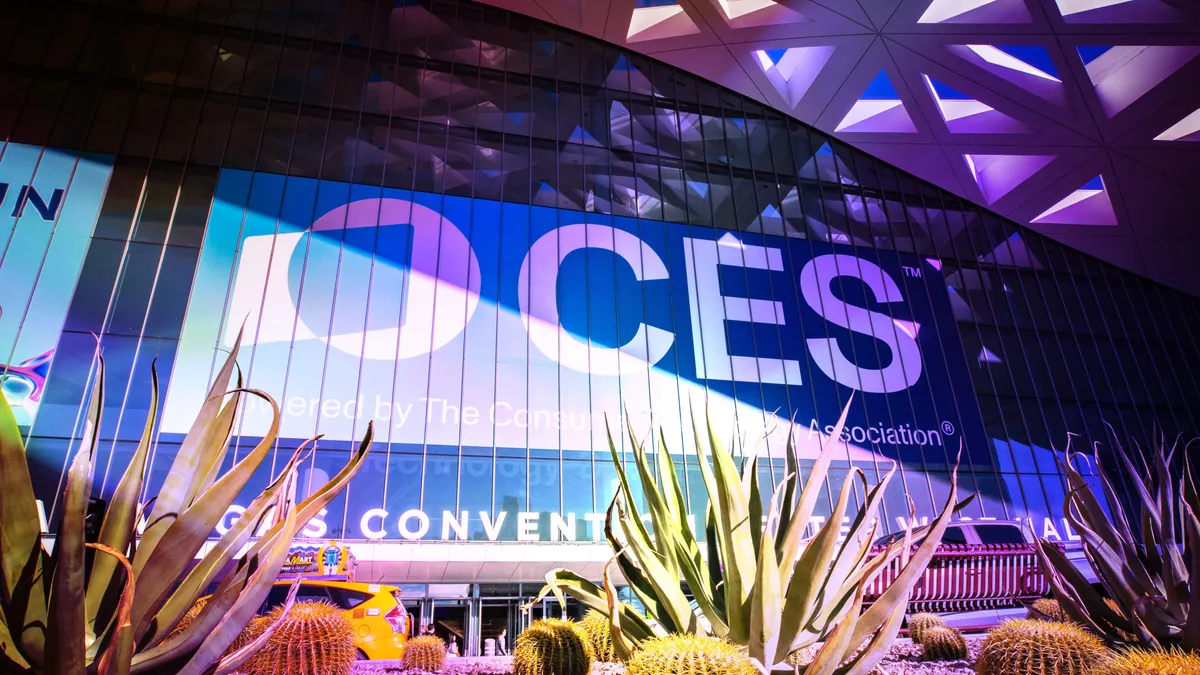
As the calendar turns to 2026, the technology world prepares for its annual pilgrimage to Las Vegas for the Consumer Electronics Show. Running from January 6 to 9, CES 2026 promises to be a landmark event, showcasing groundbreaking innovations that will define the consumer electronics landscape for years to come. From revolutionary display technologies to artificial intelligence integration across every conceivable device category, this year’s show is set to deliver transformative breakthroughs that will reshape how we interact with technology in our daily lives.
The Revolution in Display Technology
One of the most significant trends dominating CES 2026 is the widespread adoption of Micro RGB LED technology in televisions. Both LG and Samsung are leading this charge with comprehensive lineups that promise to redefine home entertainment experiences. LG has announced its debut Micro RGB television, the LG Micro RGB evo, which has already received certifications from Intertek for 100 percent color gamut coverage in both DCI-P3 and Adobe RGB standards. This technological achievement represents a quantum leap in color accuracy and brightness control, featuring more than a thousand dimming zones that enable unprecedented contrast ratios.
Samsung is not content to let its hometown rival steal the spotlight. After introducing its first Micro RGB TV at CES 2025 with a premium 115-inch model priced at thirty thousand dollars, Samsung is dramatically expanding its range for 2026. The new lineup will include more accessible sizes spanning 55, 65, 75, 85, 100, and 115 inches, making this cutting-edge technology available to a much broader consumer base. The democratization of Micro RGB represents a pivotal moment in television history, bringing cinema-quality visuals into living rooms across the globe.
Sony is also joining the Micro RGB movement with its True RGB TVs, promising enhanced brightness, contrast, and color accuracy that builds upon the company’s legendary Bravia line. The competition among these industry giants is driving innovation at an unprecedented pace, ultimately benefiting consumers with better products at increasingly competitive price points.
Beyond home televisions, display innovation extends to the computing realm. LG is unveiling a new line of 5K-capable gaming monitors featuring built-in AI upscaling technology, while Samsung counters with an ambitious 6K model that aims to deliver glasses-free 3D experiences. This monitor will join Samsung’s expanded Odyssey gaming line, targeting enthusiasts who demand the absolute best in visual fidelity and performance.
The HDR format wars are also heating up at CES 2026. Samsung unveiled its HDR10 Plus Advanced technology in October 2025, positioning it as a direct competitor to Dolby Vision 2. The launch of this new standard, anticipated for early 2026, promises to further enhance the viewing experience with improved metadata processing and dynamic tone mapping capabilities.
Artificial Intelligence Permeates Everything
If there’s one overarching theme at CES 2026, it’s the ubiquitous integration of artificial intelligence across every product category imaginable. From televisions to refrigerators, smartphones to home security cameras, AI is no longer a luxury feature but an expected standard that consumers demand.
Samsung is showcasing this trend with its new Bespoke AI refrigerator, powered by Google’s Gemini AI model. This smart appliance represents a new generation of connected home devices that don’t just respond to commands but anticipate user needs, manage inventory intelligently, and even suggest recipes based on available ingredients. The integration of advanced language models into everyday appliances signals a fundamental shift in how we conceptualize smart home technology.
In the robotics space, AI is enabling capabilities that seemed like science fiction just a few years ago. LG is introducing CLOiD, a humanoid home automation robot that promises to revolutionize household management. Meanwhile, Samsung continues to iterate on Ballie, its spherical home robot that has appeared at multiple CES events since its original 2020 debut. The persistence of these robotics initiatives demonstrates the industry’s long-term commitment to bringing capable, helpful robots into our homes.
Roborock and other manufacturers are showcasing even more advanced robotic vacuum cleaners that use AI to map homes more efficiently, avoid obstacles more intelligently, and clean more thoroughly than ever before. These devices represent the practical application of AI in solving everyday problems, making them increasingly indispensable in modern households.
Chip manufacturers are naturally at the forefront of the AI revolution. Qualcomm is targeting laptops with its new Snapdragon X2 Elite and X2 Elite Premium chips, building on the company’s successful expansion beyond mobile devices. These processors promise significantly improved speed and AI performance, enabling laptop manufacturers to deliver desktop-class capabilities in increasingly thin and light form factors.
Nvidia is making waves with its reported twenty billion dollar acquisition of Groq, deepening its AI strategy and solidifying its position as the dominant force in AI computing. This massive investment underscores the industry’s conviction that AI represents not just a temporary trend but the fundamental future of computing.
Smartphones and Mobile Innovation
The smartphone sector remains vibrant heading into 2026, with numerous flagship and mid-range releases scheduled for the early months of the year. Samsung’s Galaxy S26 series is generating considerable anticipation, with leaks suggesting slimmer designs, refreshed camera housings, and a significant zoom upgrade for the Ultra model. The S26 range is also rumored to bring Qi2 wireless charging and improved battery efficiency, helping Samsung maintain its competitive edge against increasingly capable Chinese manufacturers.
OnePlus is preparing to launch its Turbo 6 series in China, with models powered by the Snapdragon 8s Gen 4 processor. The standard Turbo 6 is reported to feature a 1.5K display with an impressive 165Hz refresh rate and a massive 9,000mAh battery supporting 80W wired charging and 27W reverse charging. These specifications represent the continuing arms race in mobile technology, where manufacturers compete to offer the longest battery life, fastest charging, and smoothest displays.
Honor is positioning its Magic 8 Pro as a serious competitor to Samsung’s flagship offerings, with particular emphasis on battery life and camera capabilities. The device is expected to launch globally in 2026 following an Asian release at the end of 2025, demonstrating the increasingly global nature of smartphone competition.
Mid-range smartphones are also receiving significant attention, with devices like the Redmi Note 15 Pro Plus and OPPO Reno 15 Pro promising flagship-level features at more accessible price points. This trend toward value-focused innovation ensures that cutting-edge technology becomes available to broader audiences more quickly than ever before.
The Smart Home Ecosystem Matures
CES 2026 is showcasing how smart home systems are evolving beyond simple connected devices toward truly intelligent, interconnected ecosystems. The focus is shifting toward local processing, enhanced privacy protections, and improved reliability. Edge AI is enabling devices to process data locally rather than relying on cloud connections, addressing privacy concerns while improving response times and reducing dependence on internet connectivity.
Home security cameras, smart thermostats, and connected lighting systems are becoming more sophisticated, working together seamlessly to create homes that truly adapt to their occupants’ needs and preferences. Energy efficiency is a major focus, with smart systems helping homeowners reduce power consumption and lower utility bills while maintaining comfort and convenience.
Looking Ahead
CES 2026 represents more than just a trade show; it’s a glimpse into the technological future that’s rapidly becoming our present reality. The innovations on display demonstrate an industry in the midst of a transformative period, where artificial intelligence, advanced display technologies, and ubiquitous connectivity are converging to create experiences that were unimaginable just a decade ago. As tens of thousands of tech enthusiasts, industry professionals, and journalists descend upon Las Vegas this January, they’ll witness not just new products but the continuing evolution of technology’s role in enhancing and enriching human life.